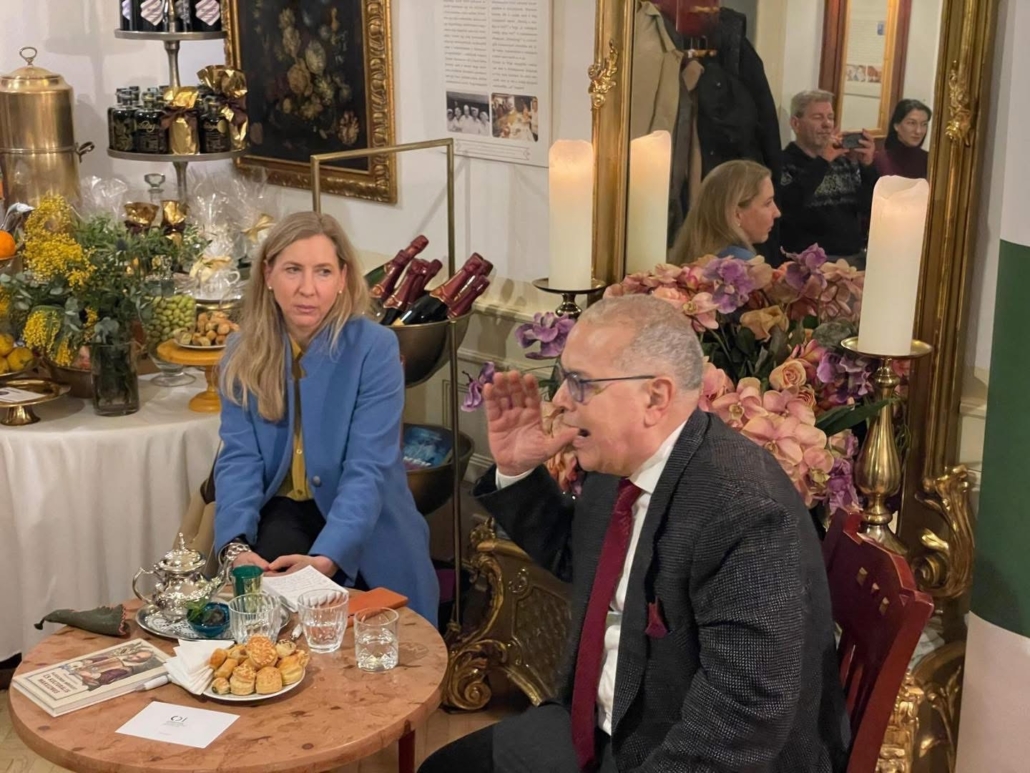
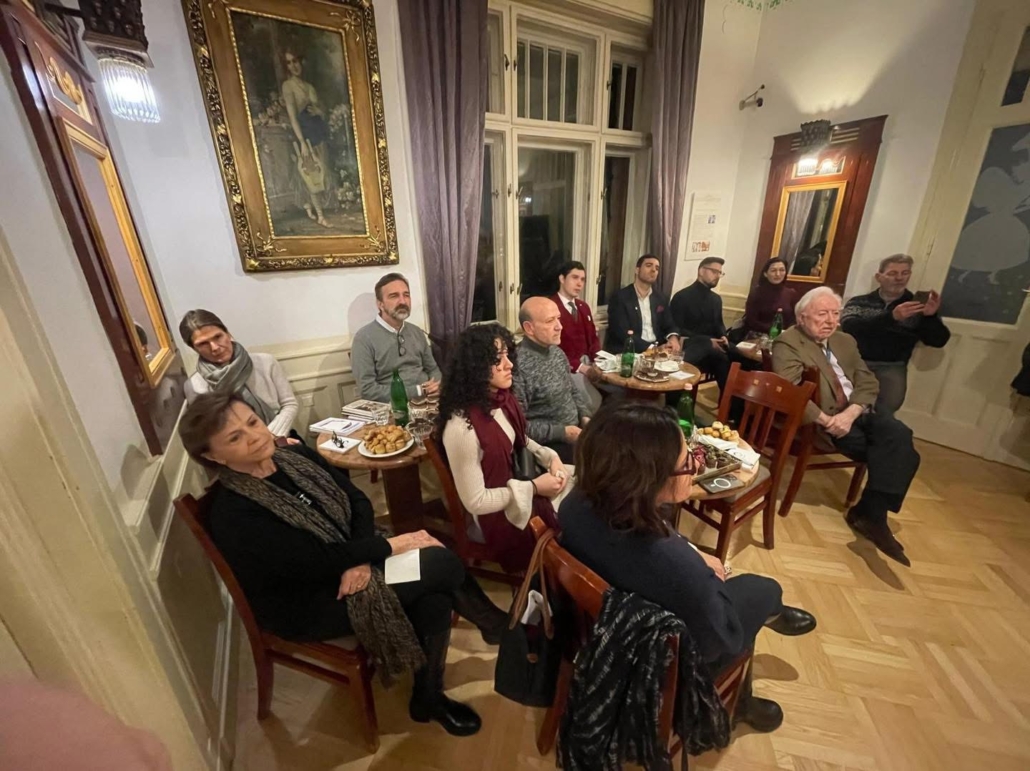
Alejandro Pena Esclusa, our leading expert, visited Hungary and honored us by presenting his newly published book, ‚Classical Art and Cultural Marxism‘ in Hungarian!


Most people believe that the moral and cultural degradation of our society is spontaneous, but, according to the author, it responds to a plan of a neo-Marxist movement aimed at demolishing the foundations of Christian civilization.

How to deal with this decadence, how to recover optimism and confidence in the future? Alejandro Peña Esclusa believes that it is through classical art, since – according to his experience – it is a resistance tool against the advance of cultural Marxism (also known as progressivism or Wokism).

The works of geniuses such as Shakespeare, Schiller, Cervantes, Dante, Mozart, Beethoven, Verdi, Raffaello and Brunelleschi – commented in this book – enrich the spirit, move us with their beauty, exalt the best of humanity, and transmit optimism.

Peña Esclusa, who has suffered imprisonment, persecution, and exile, published the first edition of this book in February 2008, when no one talked about cultural Marxism. This second edition is even more relevant in view of the dissemination of gender ideology, radical environmentalism, and multiculturalism.

Thank you for the engaging conversation!

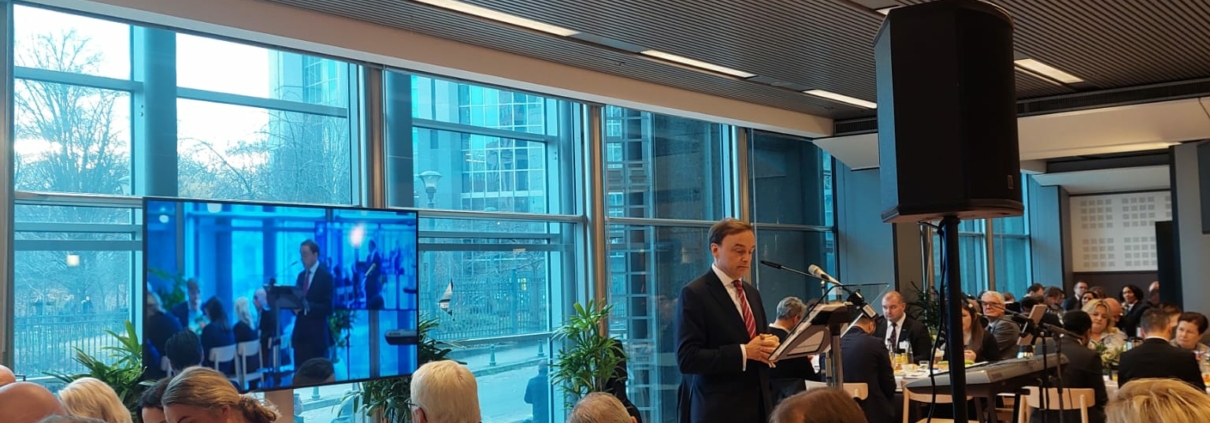
European Prayer Breakfast, 4 December 2024, European Parliament in Brussels:

Keynote address by Dr. Christiaan Alting von Geusau,

“The meaning of freedom – and how to live it today”
What is freedom?


I would like to start quoting the words of a man whom I consider as one of the finest political leaders in modern history: Dag Hammarskjöld, the Swedish diplomat and devout Christian who was the second Secretary General of the United Nations from 1953 till 1961 and a peacebuilder like few others:

“The purer the eye of her attention, the more power the soul finds within herself. But it is very rare to find a soul who is entirely free, whose purity is not soiled by the stain of some secret desire of her own. Strive, then, constantly to purify the eye of your attention until it becomes utterly simple and direct.”

(Roger Lipsey, Politics & Conscience)

These powerful words bring us right away to the challenge of understanding freedom. We think we do, but we mostly don’t. We tend to get confused and carried away by ideology.

Let us first tackle what freedom is not:

Freedom is not that I can do what I want, how I want it, and when I want it all the time. That is in fact slavery, slavery to our human passions.

Freedom is also not that I am free from suffering, pain, uncertainty or risks. That is in fact what I call ‘safetyism’, much in vogue today in the halls of power, but a dangerous illusion that in truth undermines freedom. Living is always risky and often painful; it has always been so.

What then, is freedom?

It is the uninhibited and real ability to choose to do what is right and to choose not to do what is wrong. Or: to be able to act justly and reject what is unjust.
Pope John Paul II phrased freedom as follows:

“freedom consists not in doing what we like, but in having the right to do what we ought.”

(Encyclical Veritatis Splendor)

This freedom, then has two components, an inner one and an outer one:


Inner freedom

During the past years, I have had the privilege to be introduced to the works of three great writers who are real authorities beyond reproach on the question of what true freedom is in practice. They are the Jewish Holocaust survivors Victor E. Frankl (Austria) and Edith Eger (Hungary), and the Catholic priest Fr. Walter J. Ciszek SJ, a survivor of the Soviet Union’s Gulag system of concentration camps and forced labor.

In each of their books describing their horrific ordeals and confrontation with suffering and death amidst unspeakable injustice, they come – independently of each other – to the same startling conclusion:
Fr. Ciszek writes, after spending 15 years in the Communist Gulag prison system:

“The body can be confined, but nothing can destroy the deepest freedom in man, the freedom of the soul, and the freedom of mind and will. These are the highest and noblest faculties in man, they are what make him the sort of man he is, and they cannot be constrained.”

(He Leadeth Me)

What wisdom and insight – this is not some high-flying philosophical theory – it is spoken from harsh practical reality. This is what we call ‘inner freedom’, a prerequisite for a human being to also live ‘outer freedom’ in society and the community.

Edith Eger, in her book (The Choice), writes:
“We can’t choose to vanish the dark, but we can choose to kindle the light – (..) Everything can be taken from a man but one thing: the last of the human freedoms – to choose one’s attitude in any given set of circumstances, to choose one’s own way.”

Each moment is a choice. Every day.
Freedom, therefore, is a choice. A response.
We can always choose how we respond.

(paraphrased from Edith Eger)

This is true inner freedom, and it is guided by our continuously to be formed human conscience. The human conscience being the most inner realm where the voice of God speaks to us, allowing us to discern between good and evil, just and unjust.

This then also presents us with the challenge often experienced in political society, where the state and human conscience collide. This is especially the case in our modern technology-driven world. A clear illustration of this is the example of China as a full-fledge surveillance state, a bad example that also many Western countries and institutions at times have the temptation to follow. Totalitarian tendencies and totalitarianism are always a real risk.


Outer freedom

Without a carefully cultivated inner freedom – the willingness to choose one’s attitude toward any situation – true ‘outer’ freedom, or: freedom lived in society, is not possible. Freedom is a verb, not a claim.So how do we live that freedom, every day in society, and where do we see it challenged? How does lived freedom work?

First, we have to understand that our outer freedom as lived in society should be in reality an expression of our inner freedom, and thus in coherence with it. This is called the ‘unity of life’. Hence, conscience and religion can never be a merely private affair, relegated to the sidelines, as they should inform our whole life and everything we do.

Let me return for a moment to Fr. Walter Ciszek, the Soviet concentration camp survivor:
“Even in prison a man retains his free will, his freedom of choice. Even in prison, a man can choose to do good or evil, to fight for survival or to despair, to serve God and others or to turn inward and selfish.”

Thus, our outer freedom – when challenged for us Europeans for example by war, by the pandemic, or by a growing cancel culture – can best be invigorated and defended by the way in which we choose to respond to it:

This means concretely that we again have to learn to act as truly free and autonomous human beings that have a real love for freedom. We need

– to think for oneself and not to allow my favorite news outlet, social media bubble or leader and party to dictate my conscience, instead always keep asking questions and studying.

– to take full responsibility for my actions: my failures, my errors of judgment and my successes. I am not a victim stuck in victimhood, unless I choose to. This we have learned from Frankl, Eger and Ciszek.

– to engage and make real and consistent efforts of true encounter with my fellow human being, especially those with whom I deeply disagree. My political opponent is not my enemy, also not here in the European Parliament.


This is what Jesus would do and asks us today. His spirit brings us freedom because he teaches us to think by looking into our own soul, to take responsibility by acknowledging our brokenness and gifts, and to genuinely encounter the other as his or her human dignity requires.

A powerful example that brings together these three points in the Gospel, is John 8; 1- 12:

“Then the scribes and the Pharisees brought a woman who had been caught in adultery and made her stand in the middle.

They said to him, “Teacher, this woman was caught in the very act of committing adultery.
Now in the law, Moses commanded us to stone such women. So what do you say?”

They said this to test him, so that they could have some charge to bring against him. Jesus bent down and began to write on the ground with his finger.
But when they continued asking him, he straightened up and said to them, “Let the one among you who is without sin be the first to throw a stone at her.”

Again he bent down and wrote on the ground.
And in response, they went away one by one, beginning with the elders. So he was left alone with the woman before him.

Then Jesus straightened up and said to her, “Woman, where are they? Has no one condemned you?”
She replied, “No one, sir.” Then Jesus said, “Neither do I condemn you. Go, [and] from now on do not sin anymore.”

Here we are being taught the spirit of freedom that allows us to act right and just in society: to think and form our conscience constantly, to be responsible for our own actions first, and to see the other person with eyes of mercy and love.

This is then how we build a free society: a war might then be solved by other means that we have not yet seen, a pandemic can then be dealt with less destructively, and censorship and cancel culture are then replaced by sharing and debate amongst citizens and their leaders, genuinely searching for the truth and wishing to understand those they do not agree with and walk with them.

This brings me, finally, to the greatest danger to freedom I see in today’s Europe, in light of the challenges I have described here. It is the attitude in society that allows what could be a manageable crisis to turn into a full-fledged existential crisis of democracy and the rule of law, thus eroding the essential external framework for living freedom in society.

This danger is lukewarmness and indifference.


Again, I would like to allow a real expert of experience speak here, the Auschwitz survivor Viktor Frankl, who writes (Yes to Life in Spite of Everything):

“Fighting a losing battle’… this expression cannot be allowed to exist within our worldview! Fighting is the only thing that matters.”


It is my heartfelt hope and prayer here today that we might fully revive our love for freedom as Europeans and citizens of its individual member States and beyond, and that in Europe we might fully recover this fighting spirit.

This fighting spirit is above all spiritual and intellectual in nature. It will allow us to see and experience in everyday life that

“Where the spirit of the Lord is, there is freedom.”

Then Europe will be free and prosperous and a continent of peacebuilders for generations to come.

Thank you.
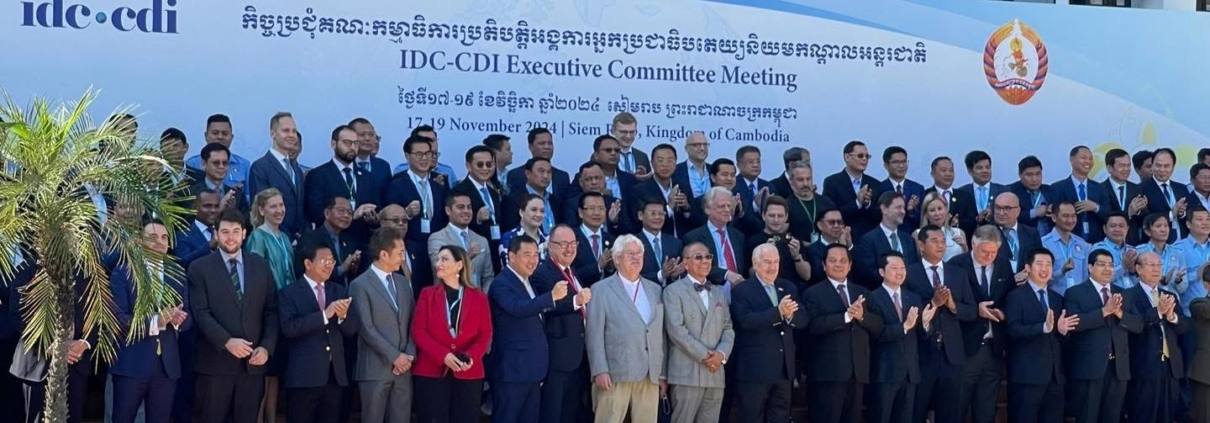
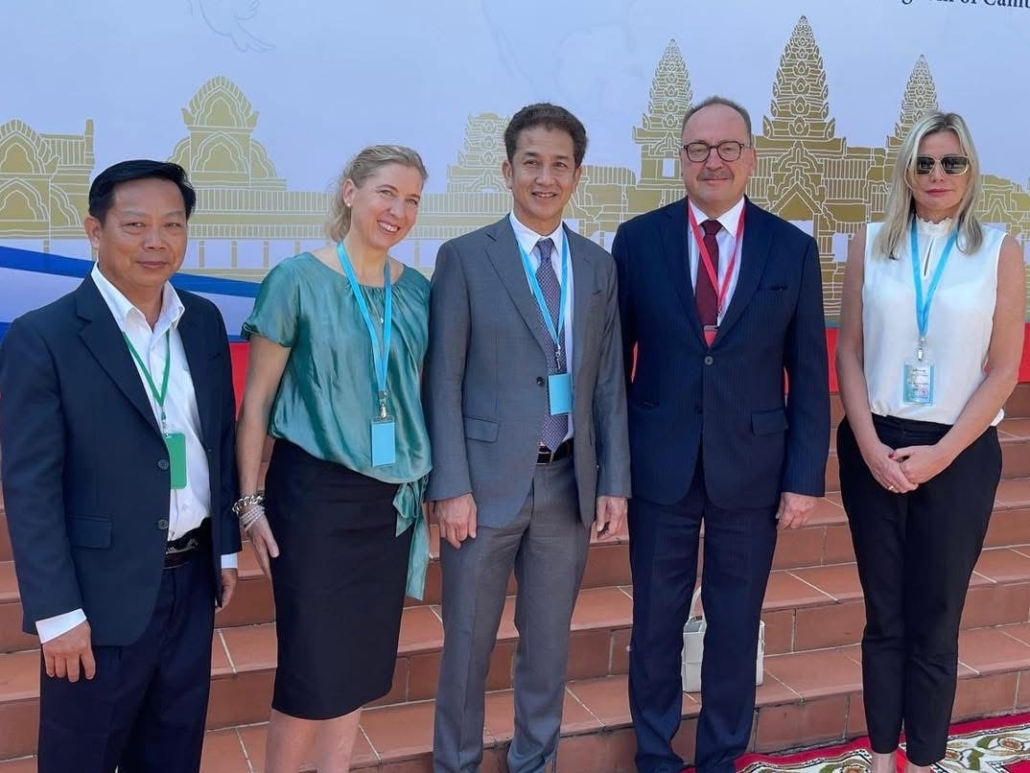
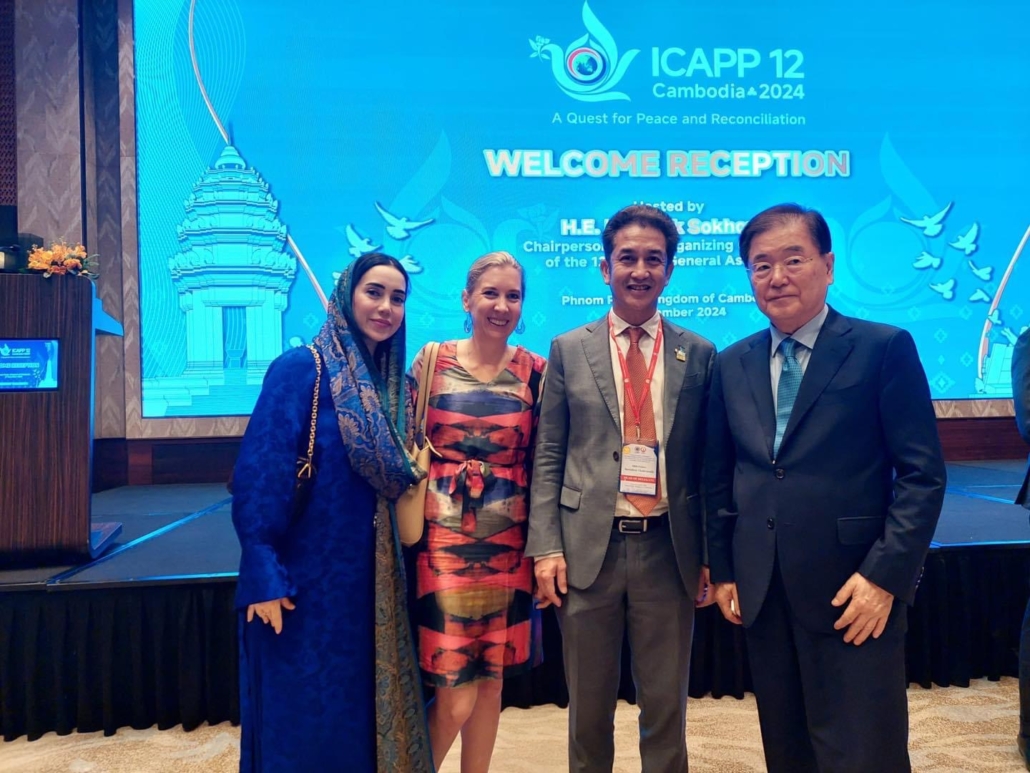
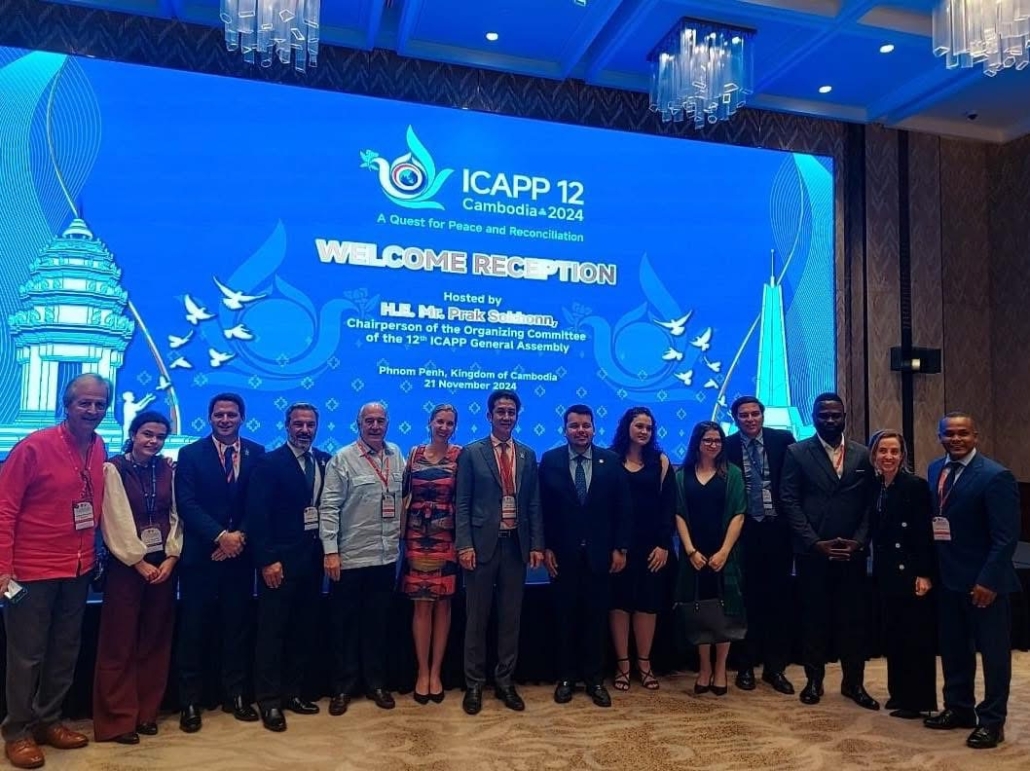
This November, CDI Hungary had the privilege of participating in two significant international events held in Cambodia: the meeting of the IDC.CDI and the annual conference of the International Conference of Asian Political Parties (ICAPP). These gatherings brought together political leaders and organizations from around the world to discuss pressing global issues, exchange ideas, and foster international cooperation.

Strengthening Conservative Alliances for Peace
The IDC-CDI meeting, hosted in Cambodia, provided a platform for conservative parties and organizations to reaffirm their commitment to promoting peace and stability worldwide. As the world’s largest global organization uniting conservative forces, IDC.CDI serves as a vital forum for dialogue and collaboration among like-minded entities. CDI Hungary was honored to be among the invited participants, contributing to discussions aimed at strengthening the global network of peace-oriented conservative forces.

A Quest for Peace and Reconciliation
In parallel, the ICAPP annual meeting focused on the theme A Quest for Peace and Reconciliation. This event underscored the importance of dialogue and cooperation in addressing contemporary challenges and fostering global understanding. CDI Hungary actively participated in the opening ceremony and various sessions, engaging in meaningful discussions with representatives from diverse political and cultural backgrounds. The conference served as a reminder of the value of shared ideas and mutual respect in achieving common goals.

Building Bridges for Future Collaborations
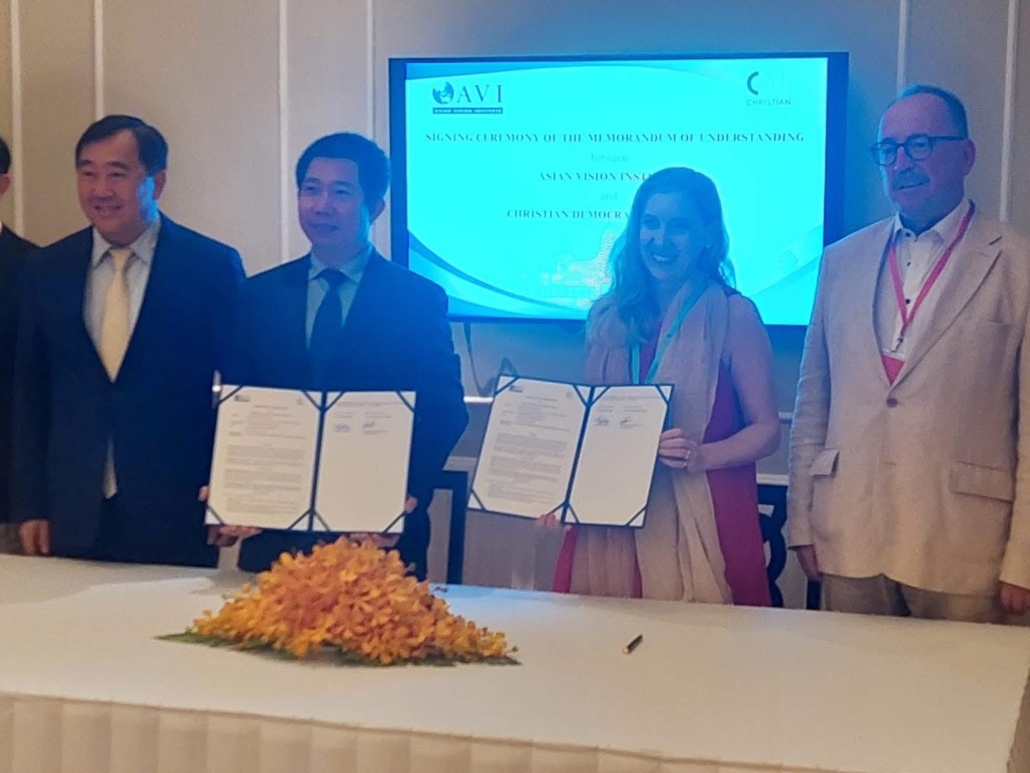
Beyond the enriching dialogues and thought-provoking sessions, the trip to Cambodia opened doors to numerous future collaborations. One of the highlights was the formalization of CDI Hungary’s partnership with the Asia Vision Institute. This official framework agreement marks the beginning of a promising cooperation focused on shared values and goals.

The signing of this agreement took place within the intellectual environment of another inspiring event: the conference titled The Role of Youth in Promoting Peace and Dialogue. The emphasis on youth involvement highlights the importance of equipping the next generation with the tools and opportunities to be active contributors to peace and reconciliation efforts globally.

A Platform for Dialogue and Exchange
CDI Hungary extends its heartfelt gratitude to the organizers of both the IDC.CDI meeting and the ICAPP conference for their warm hospitality and for providing a valuable platform for dialogue and the exchange of ideas. Events like these remind us that global challenges require global solutions, and the spirit of cooperation remains essential in today’s interconnected world.

The trip to Cambodia not only reinforced CDI Hungary’s commitment to its mission but also strengthened its ties with international partners. As we look ahead, we remain dedicated to fostering collaboration and promoting the values of peace, dialogue, and mutual understanding.

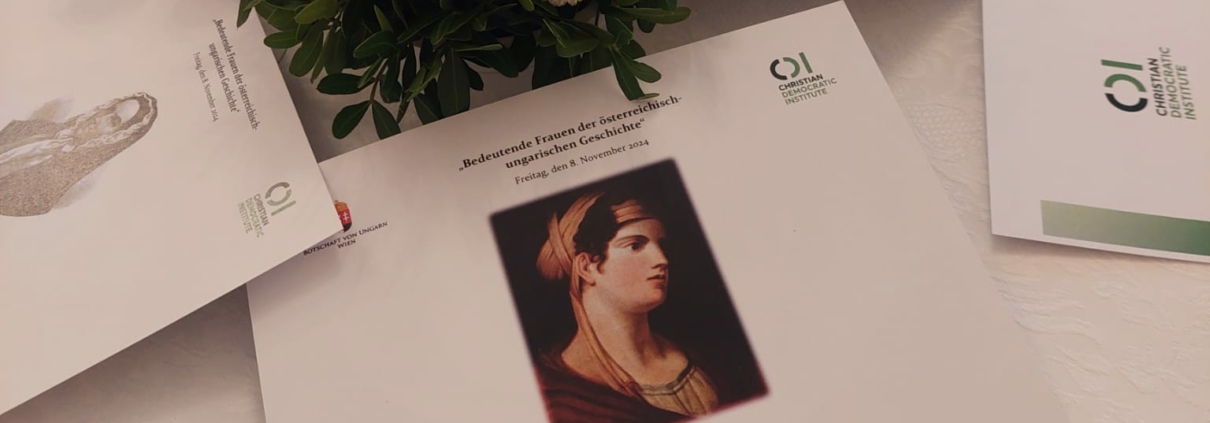
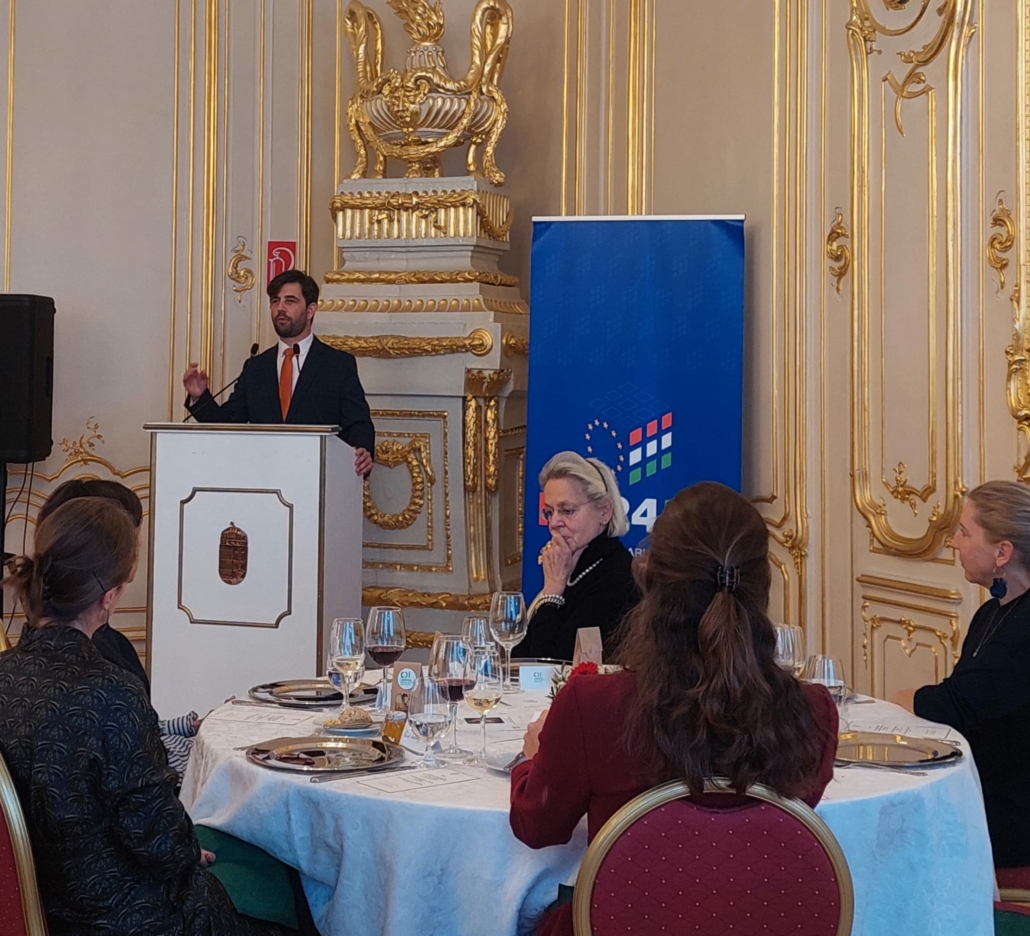
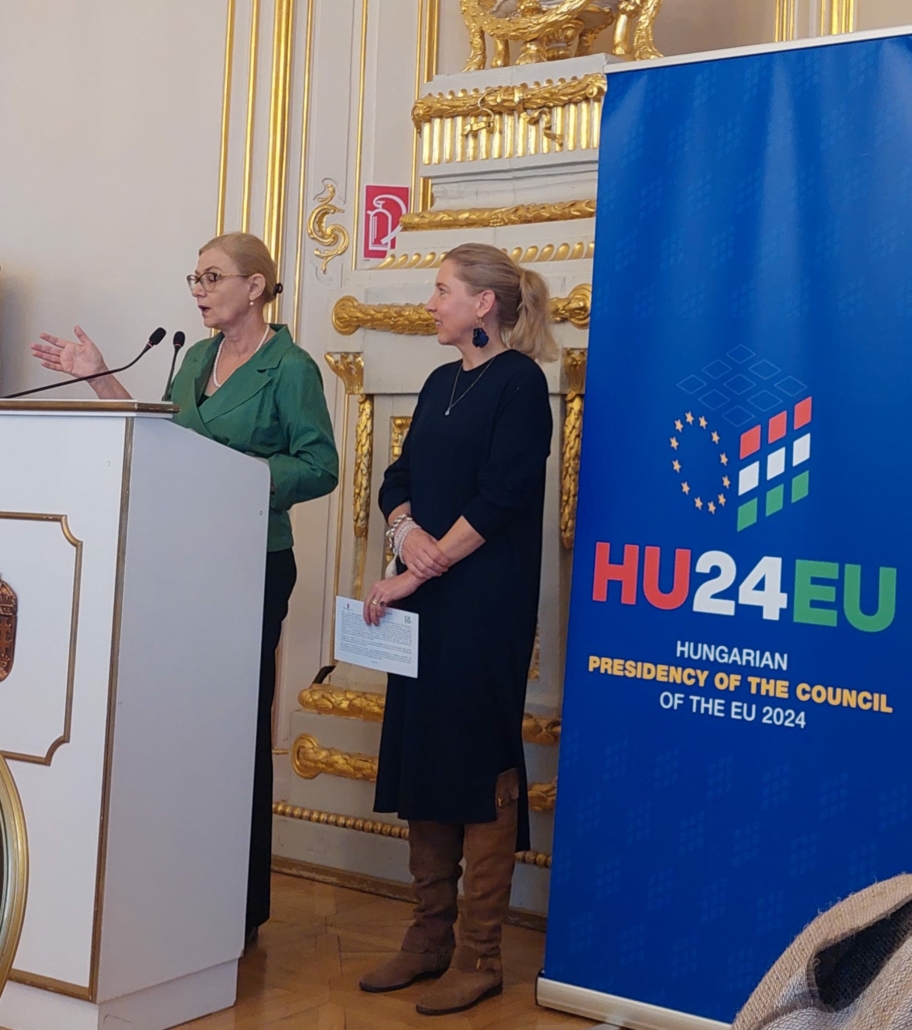
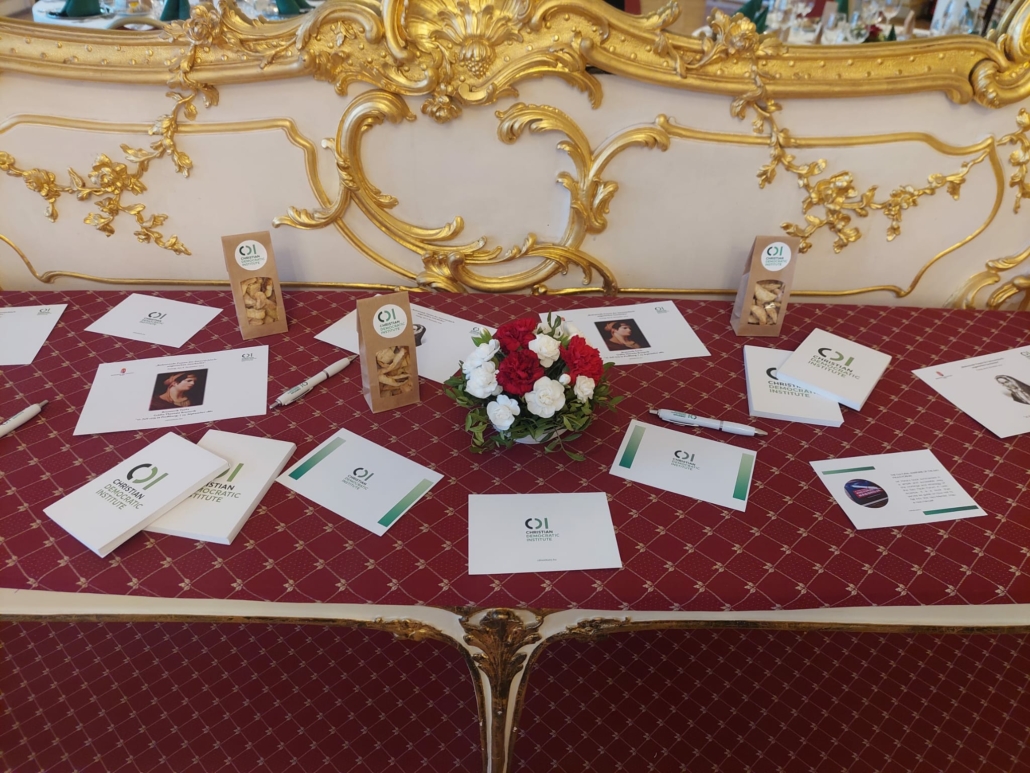
Knowing our history thoroughly is impossible without knowledge of its outstanding, inspiring personalities!

In collaboration with the Hungarian Embassy in Vienna, we revisited the rich and enduring life of Teréz Brunszvik,  a Hungarian countess and the founder of the first kindergartens in Hungary.

She opened the first kindergarten – then known as a “kisdedóvó” – in the entire Habsburg Monarchy on June 1, 1828, under the name “Angyalkert,” in her mother’s house in Buda, at the corner of today’s Mikó Street and Attila Road.

In 1836, she founded an association to promote the spread of kindergartens. She went on to establish 11 more kindergartens, and by the time of her death, the number of these institutions had grown to 80. Together with her niece, Teleki Blanka (daughter of Count Imre Teleki and Brunszvik Karolina), she actively participated in the establishment of the first Hungarian women’s educational institution.

“Defence of the Faith and assistance to the poor.“

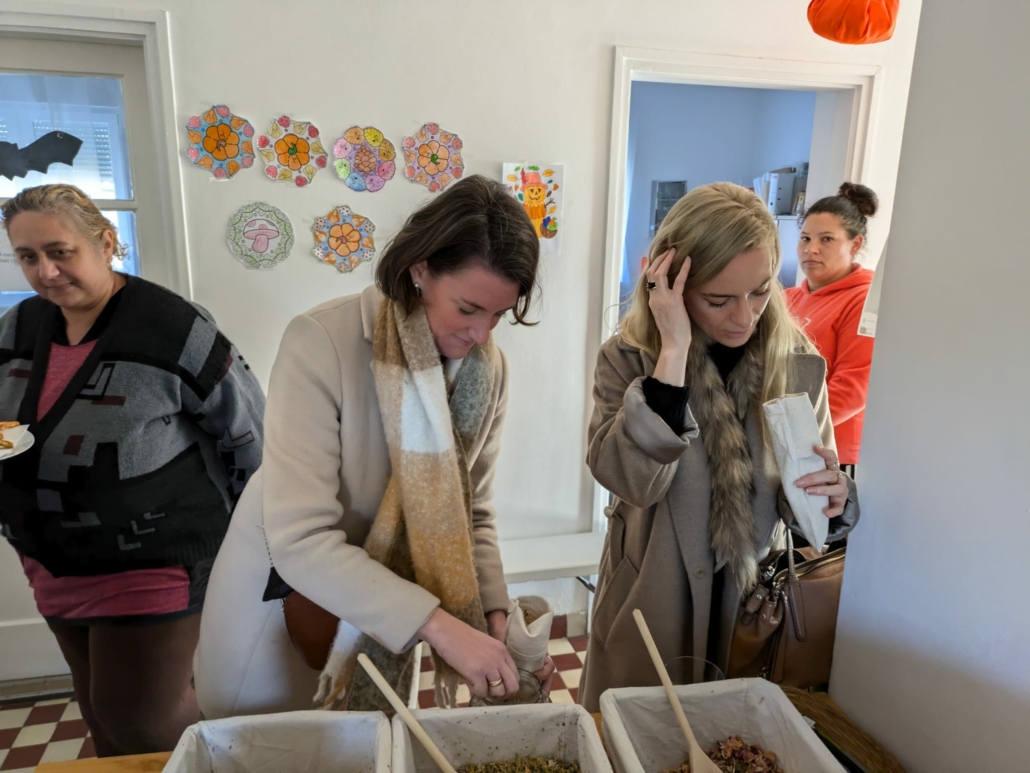
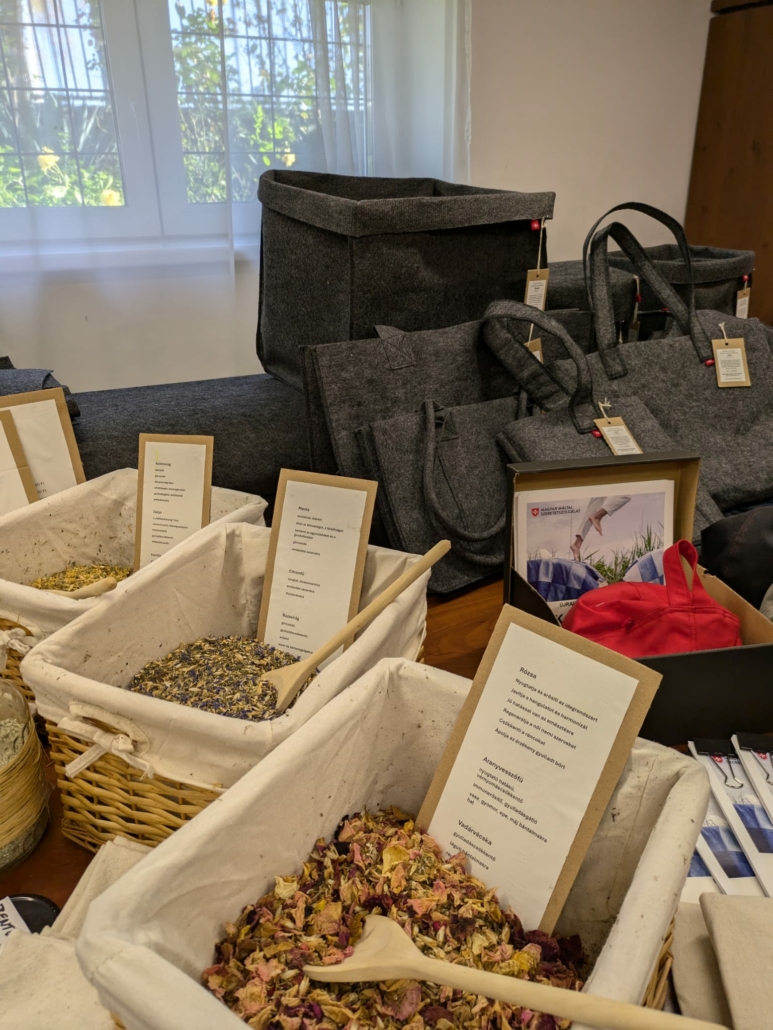
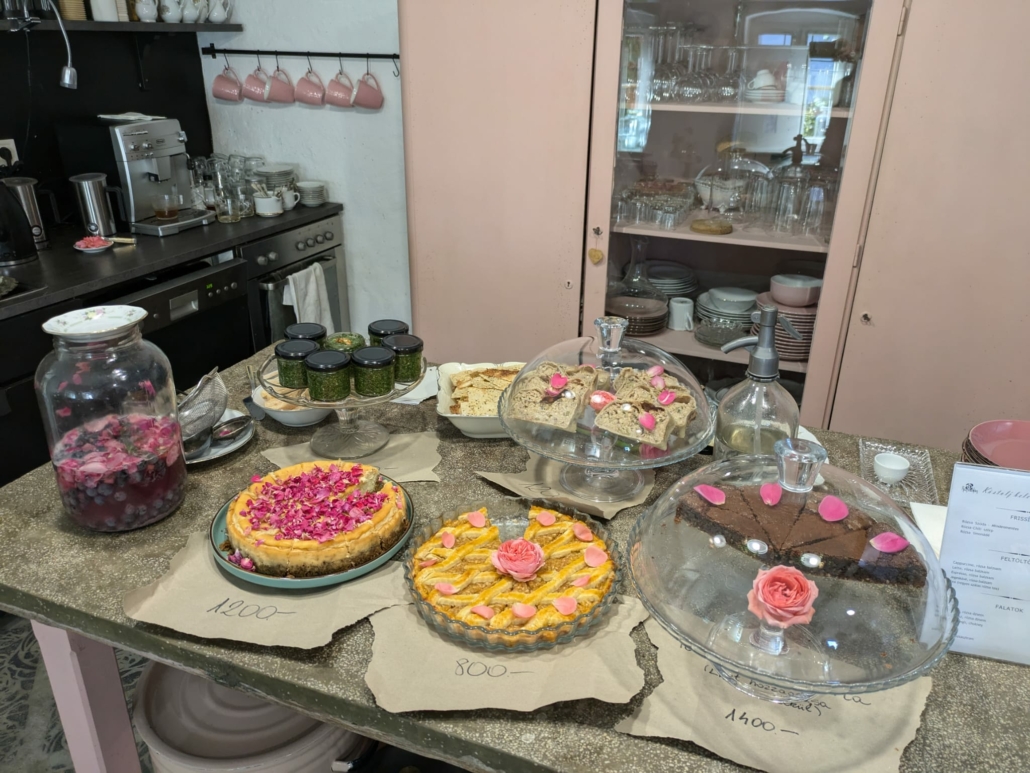
Together with the  Association of the Sovereign Military Order of Malta, CDI Hungary organized a wonderful excursion to two locations of the emerging settlement programme in the Nograd region: Mátraverebély & Rózsavilág Alsópetény.


We are incredibly grateful for the warm hospitality and kindness with which we were received. Congratulations to the women at the sewing workshop and those working on the Rose World project for their amazing products and all the hard work they put into them. Thank you for making our visit so special!

The Lady Ambassadors’ Charity Initiative was created in order to facilitate regular visits to the institutions of the Hungarian Charity Service of the Order of Malta and to get engaged in charitable activities therewith.

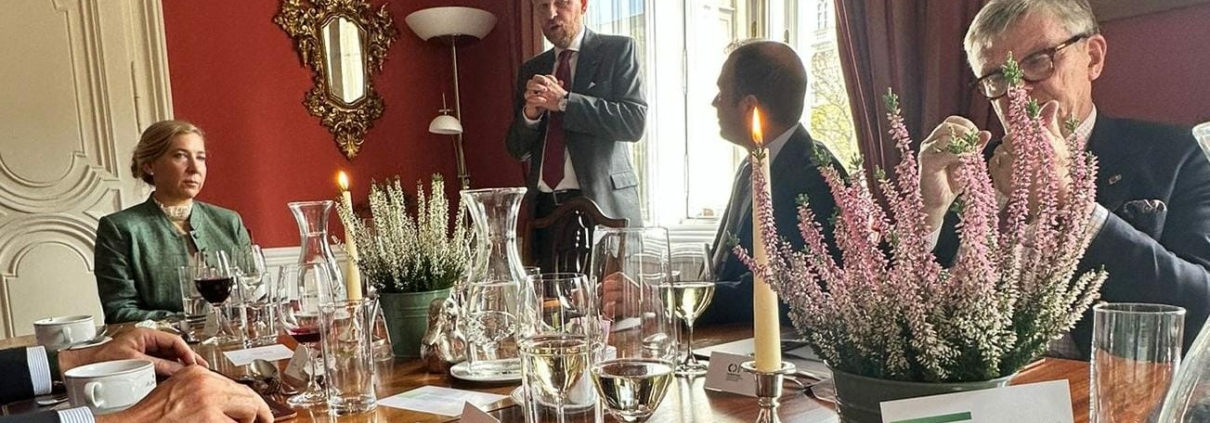
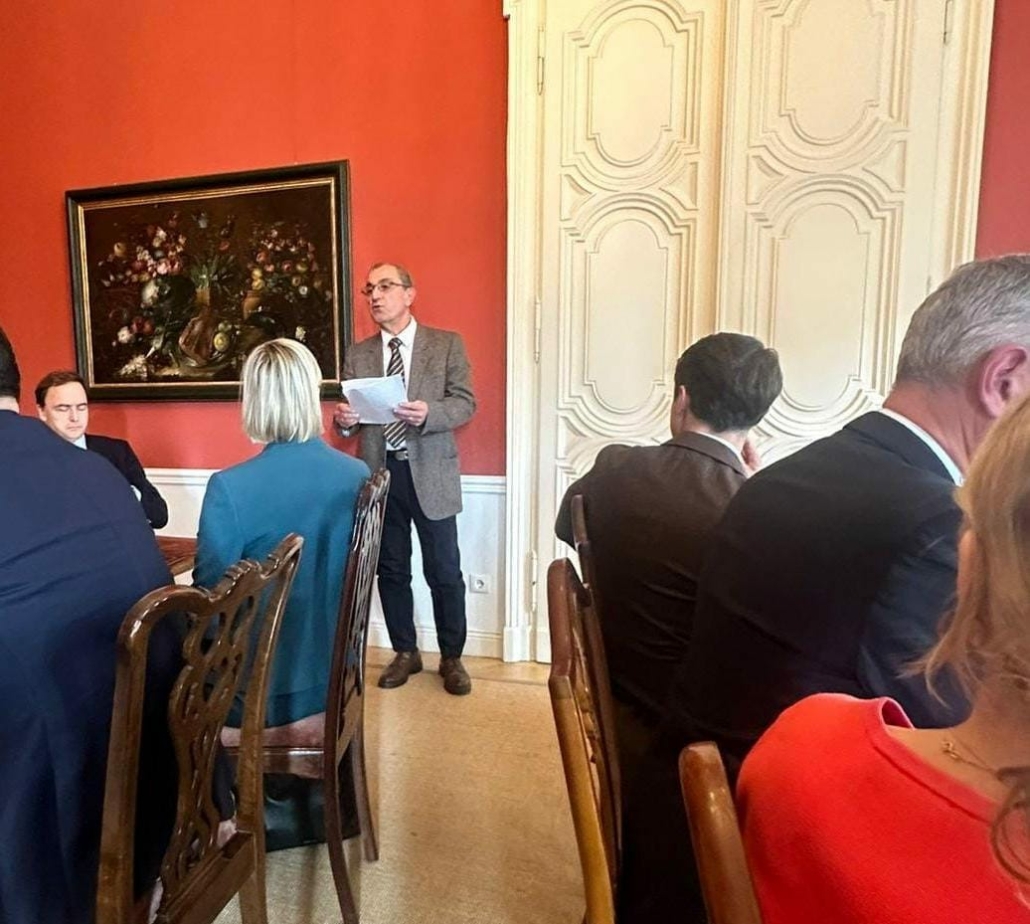
Another Christian Democratic Leaders’ Roundtable Luncheon in Vienna discussing the results of the Austrian federal elections and the latest developments in the Middle East.

The Christian Democratic Leader’s Roundtable is an initiative to bring together like-minded Christan politicians and alliances, as well as to enable informal ways of cooperation and joint initiatives.

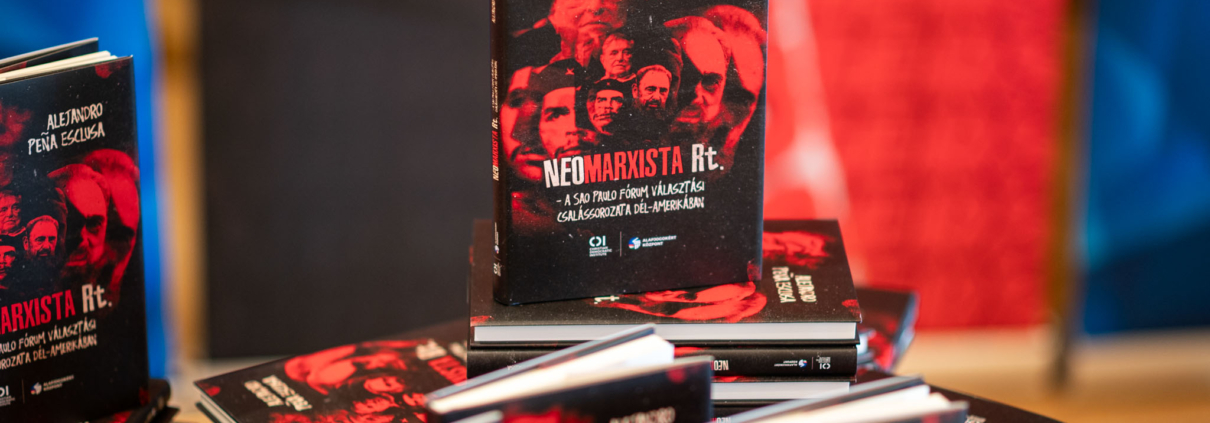
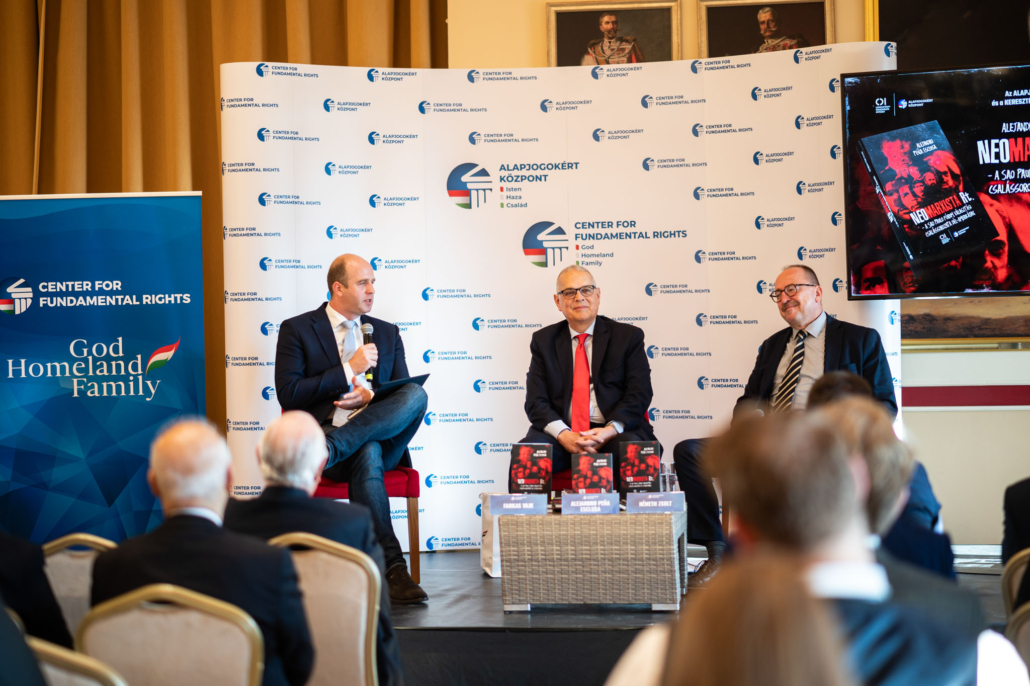
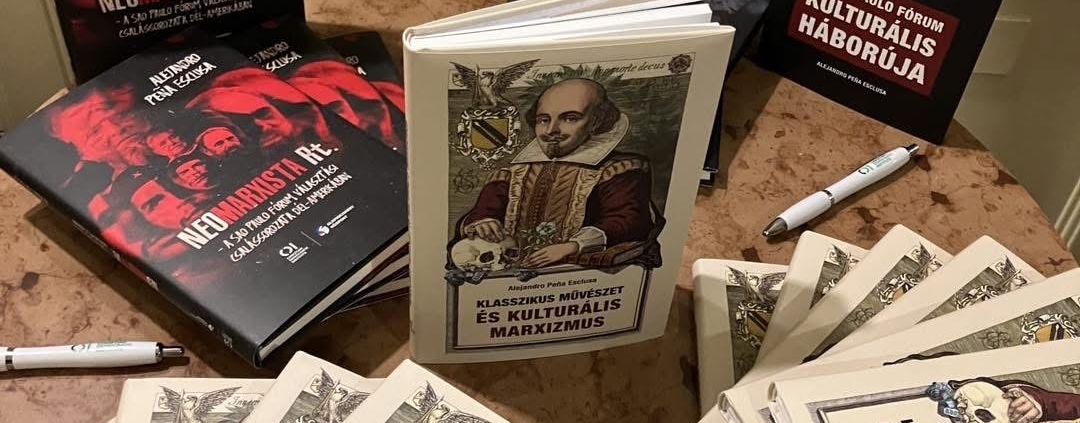
Alejandro Pena Esclusa’s new book, Neomarxista Rt. – The São Paulo Forum’s Series of Electoral Frauds in South America,has been published in cooperation with the Center for Fundamental Rights and CDI Hungary!

The form of democracy as we know it in Latin America will soon disappear, as a group of coup plotters, former insurgents, drug traffickers, and bribe-takers gathering around the São Paulo Forum and the Puebla Group have developed a sophisticated method that allows them to seize power through electoral fraud. Alejandro Peña Esclusa’s study provides a detailed explanation of these mechanisms and how they function. It offers an analysis that no researcher has previously conducted, revealing the widespread fraud perpetrated by the political left, not just in individual countries but across the entire region. Peña Esclusa has an unparalleled understanding of the São Paulo Forum, having conducted in-depth research on the topic for the past 28 years. He has paid a high price for his efforts, facing persecution, imprisonment, and exile.

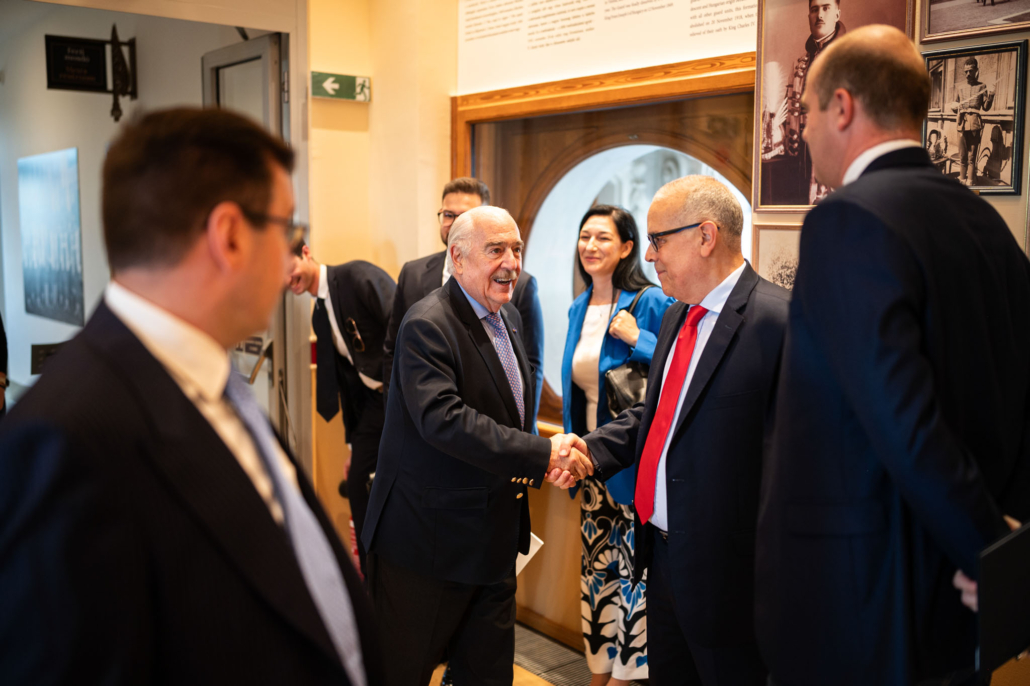
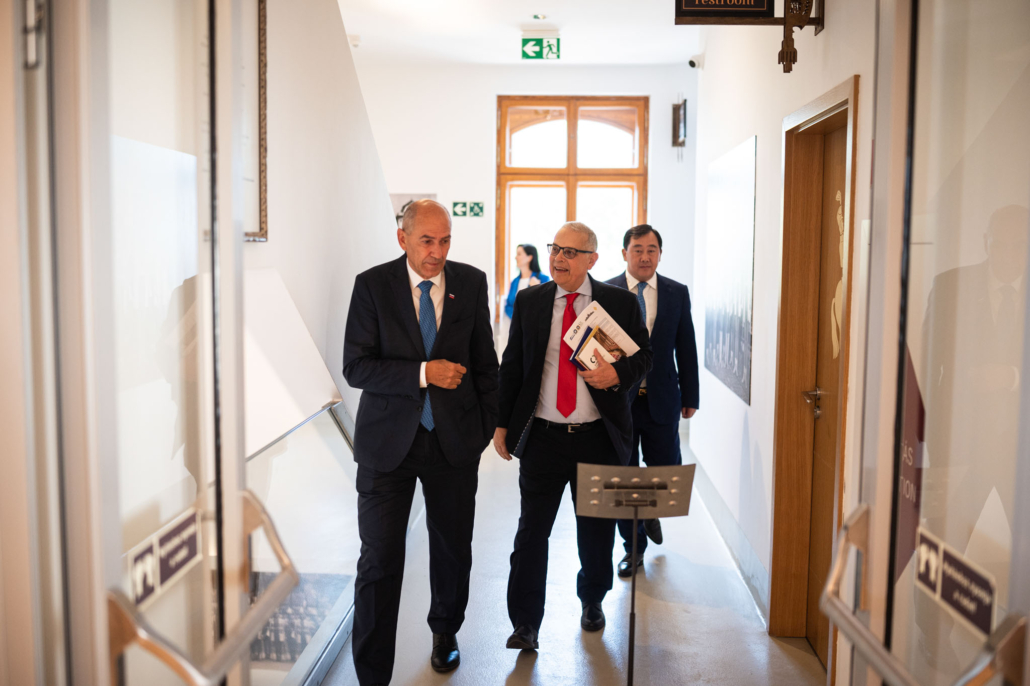
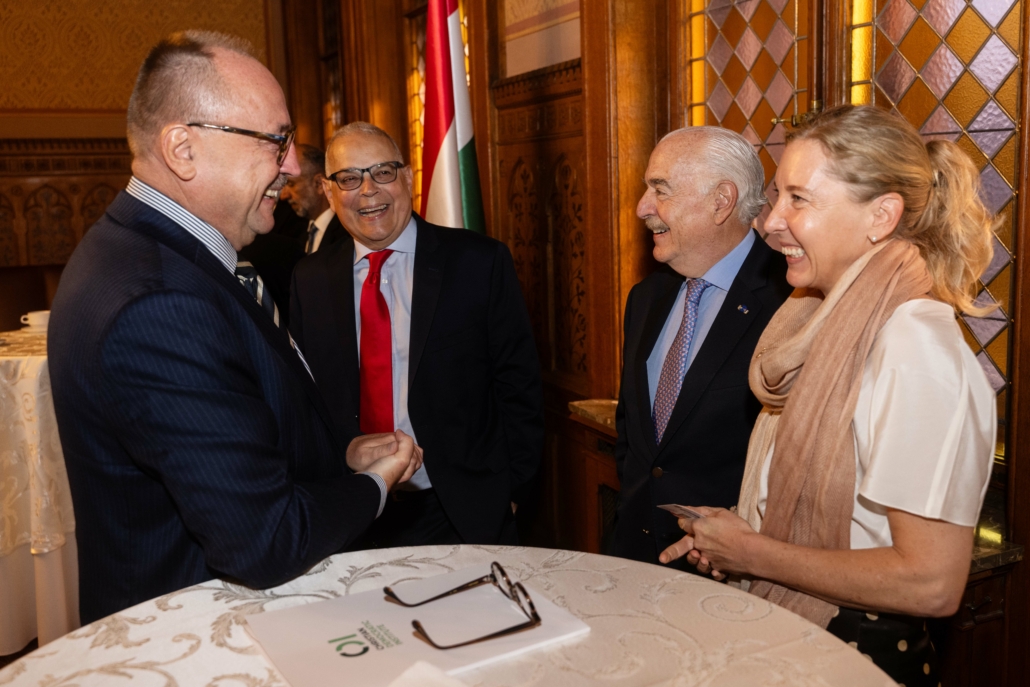
We were honored at the book launch by the presence of Andrés Pastrana, former President of Colombia and President of IDC.CDI, and Janez Janša, former Prime Minister of Slovenia.


The panel discussion was moderated by the head of the CFR’s Madrid office and was attended by Németh Zsolt, Chairman of the Committee for Foreign Affairs of the National Assembly of Hungary and Alejandro Pena Esclusa, author of the book, Leading Expert of CDI Hungary.

The new book is now available at Libri, here, as well as Alejandro Pena Esclusa’s first book published in Hungarian by the CDI in Hungary, The Cultural Warfare of the Sao Paulo Forum, here.

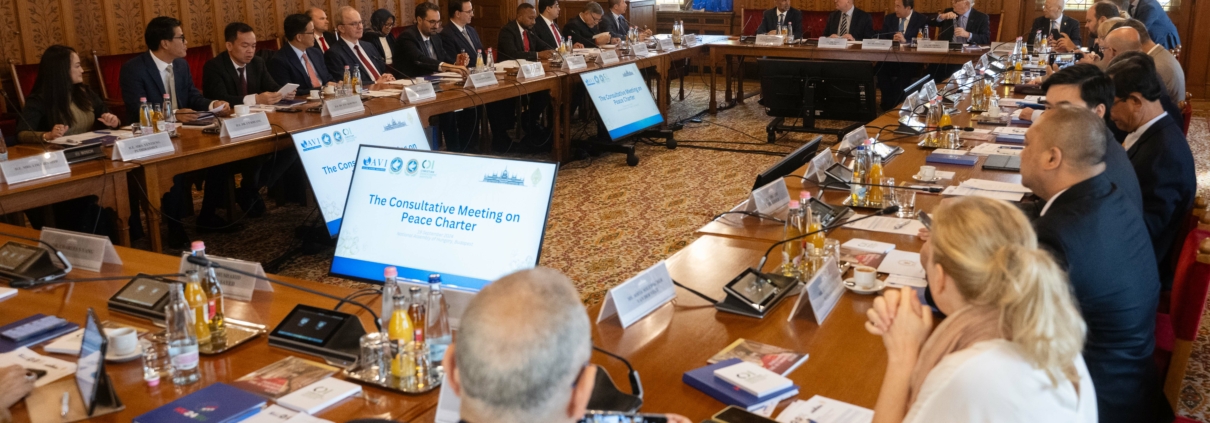
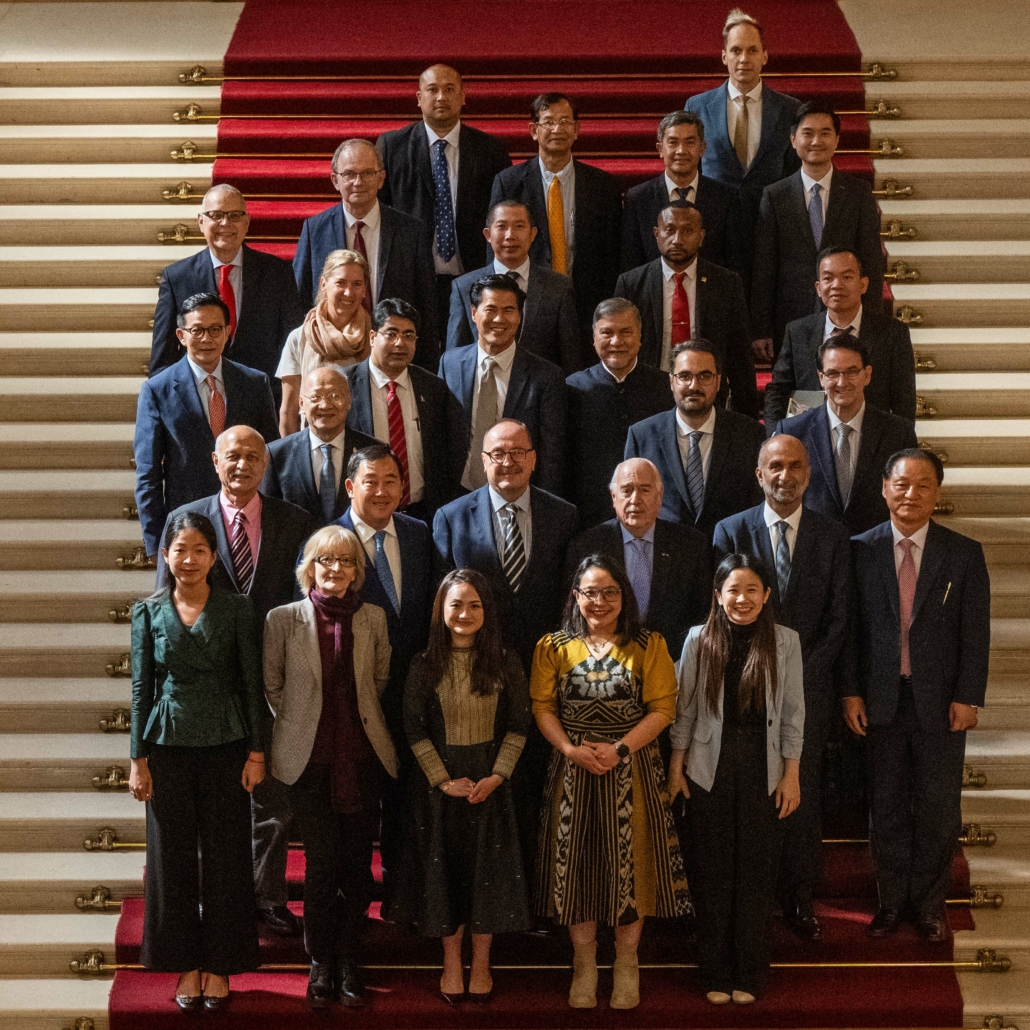
We welcomed an Asian delegation to the Parliament in the spirit of joint thinking about peace. The purpose of the group’s visit from Cambodia is to finalize an international Peace Charter, focusing on conflict prevention, peacebuilding, and sustainable development.

Director of CDI Hungary; Andrés Pastrana President of the IDC.CDI, former president of Columbia; Németh Zsolt Chairman of the Committee of Foreign Affairs of National Assembly of Hungary; Alejandro Pena Esclusa, Leading Expert of CDI Hungary

The National Assembly of the Kingdom of Cambodia is assuming the Presidency of the IPTP 2023-2024 and co-hosting the 11th Plenary Session, which is one of the most pivotal and historical milestones that signifies the synergy, multilateral efforts, cooperation, solidarity, and partnership among parliaments and parliamentarians worldwide, alongside prominent leaders from governments and civil society organisations. The outcome of this meeting is the adoption of a well-rounded final draft of the Peace Charter, followed by an action plan for its practical implementation.

Delegation from Cambodia in the Hungarian Parliament

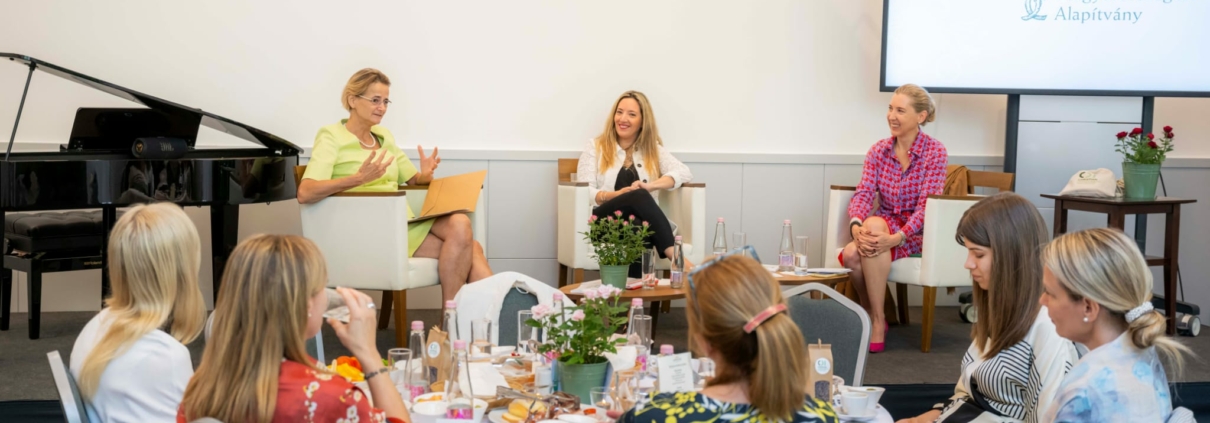
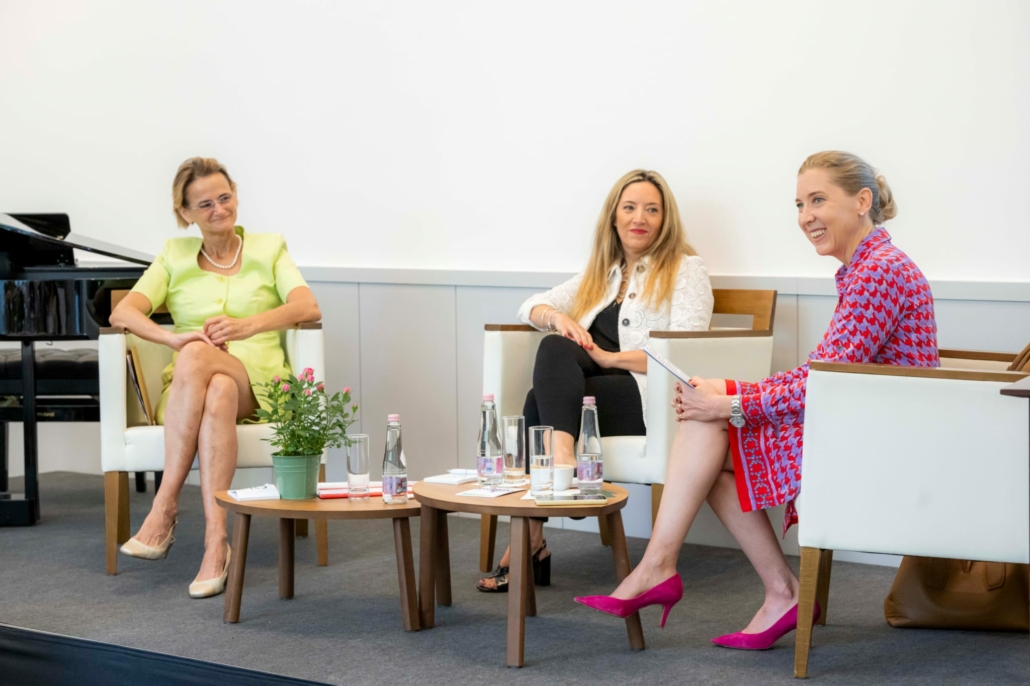
We are proud to have organised our fourth Conservative Ladies’ Breakfast together with the Foundation for a Civic Hungary in Budapest.
    

This time, Her Excellency María Lorena Capra, Ambassador of the Republic of Argentina to Hungary and Member of European Parliament Enikő Győri, were our guests of honour, with whom we discussed and celebrated the 100th anniversary of diplomatic relations between the South American country and Hungary, reviewing the past, present and future of our fruitful cooperation.

The CDI Hungary was delighted to participate in the IDC Africa conference in Paris, a high-level event with two African Prime Ministers and representatives of several African member countries of the Centrist Democratic International, it provided an in-depth insight into the future of democracy in Africa, facilitating a meaningful dialogue and exchange of ideas between leaders and experts.