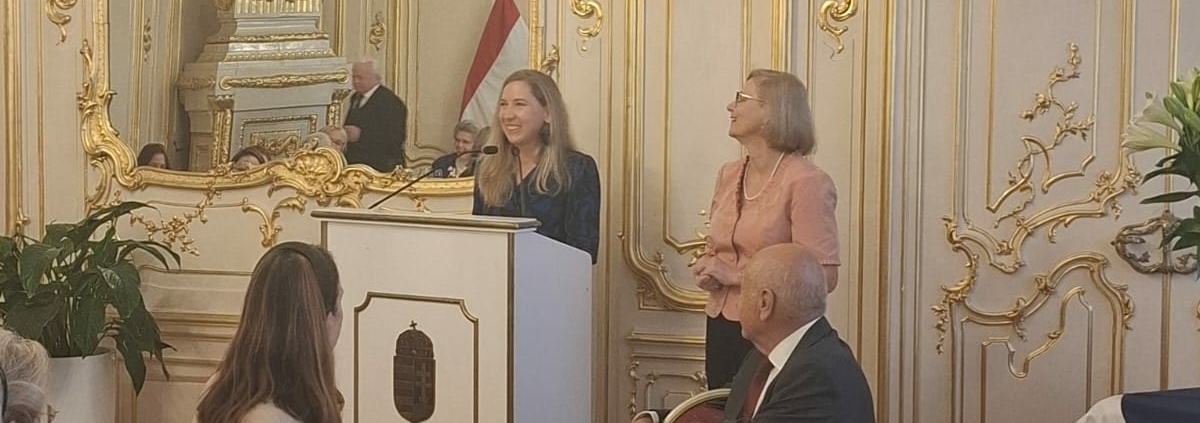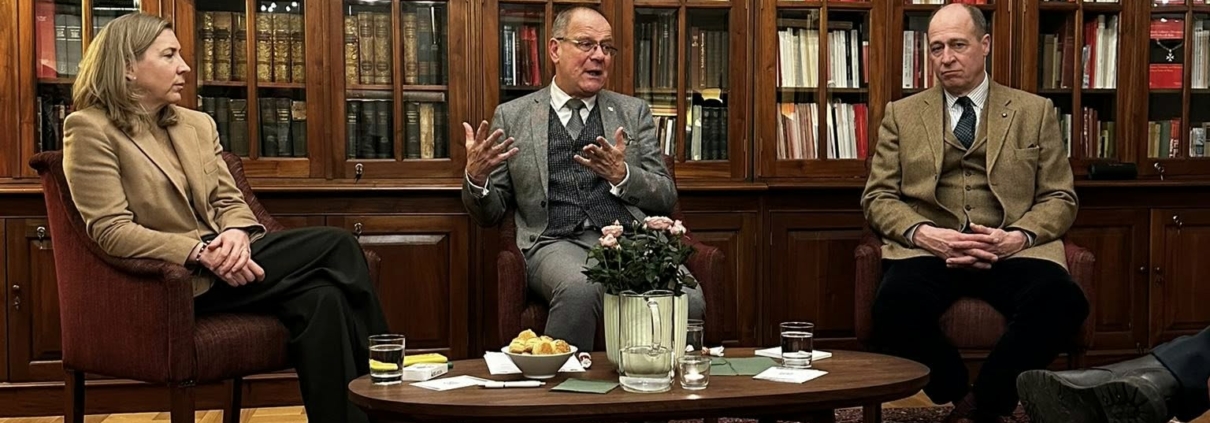
CDI organised the second Young Conservatives Debate Night together with Christian Democratic Youth, IKSZ, and Te Deum, the youth organisation of the Order of St John. Guest speaker Dr. Tibor Navracsics, Minister for Public Administration and Regional Development, spoke about the present and future of Christian democracy and emphasised the importance of debate as a path to truth.

Participants debated two motions on Christian democracy in Europe and family-centred housing policy, and also received training in constructive debate from Boldizsár Paládi-Kovács. The initiative aims to provide young people with a forum to strengthen their public speaking skills and engage in substantive discussion grounded in Christian democratic values.
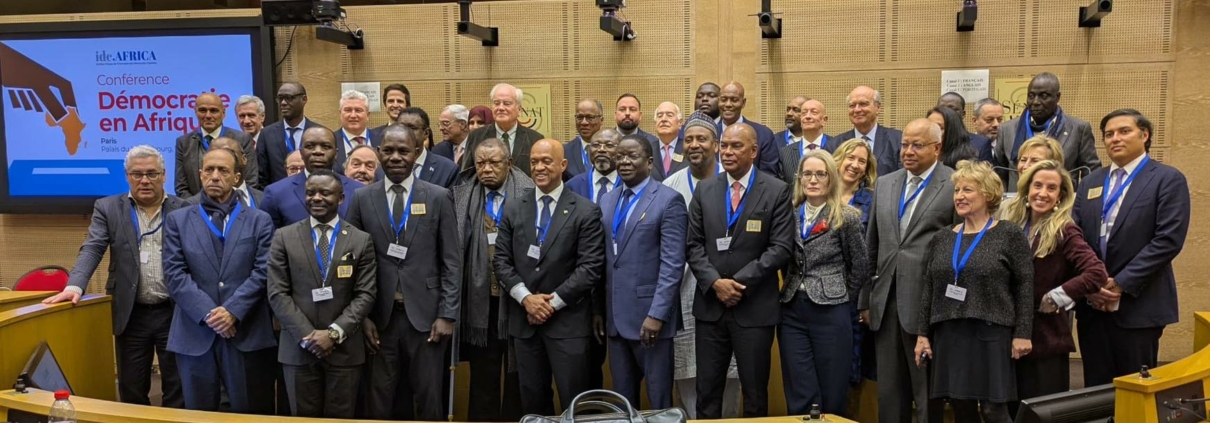

CDI took part in the IDC-CDI Africa Conference in Paris, which brought together leaders and representatives committed to democracy, fairness, and prosperity across the African continent.

Participants included Andrés Pastrana, President of IDC-CDI; Ulisses Correia e Silva, President of IDC-CDI Africa and Prime Minister of Cape Verde; representatives from 18 African countries; and delegates from 20 African political parties, including Adalberto Costa Júnior, President of UNITA in Angola.

Discussions focused on migration and brain drain, democracy and fair elections, the role of the African Union and the African Parliament, and current developments in Somalia and other countries. The conference concluded with a joint declaration reaffirming a shared commitment to the rule of law, democratic values, and sustainable economic growth in Africa.

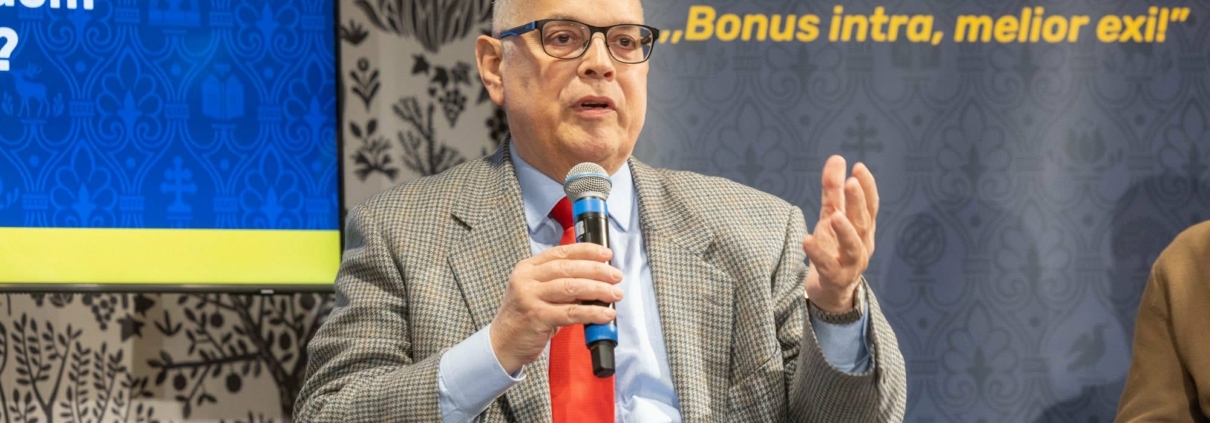
Alejandro Peña Esclusa, CDI’s leading expert on Latin America, was a guest of the Danube Institute.

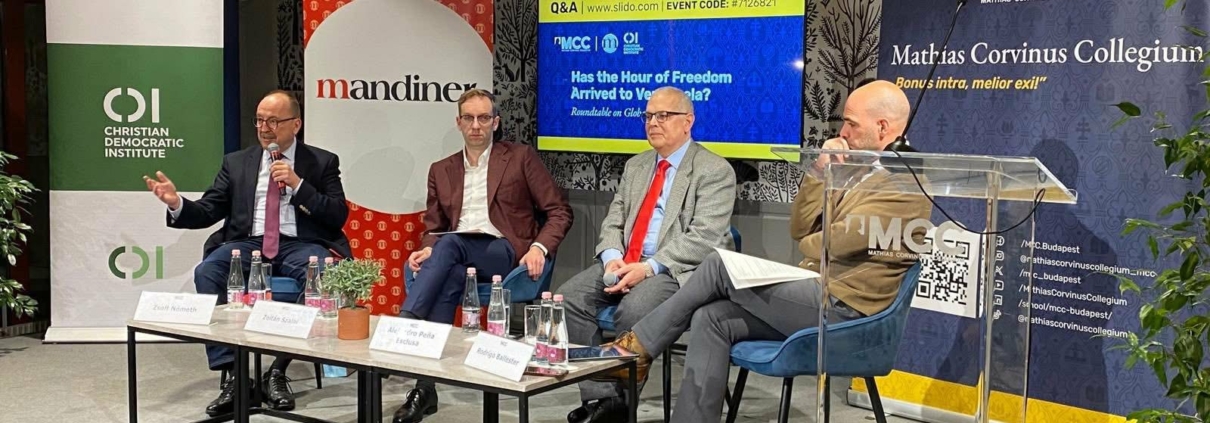
CDI and MCC organised the roundtable discussion “Has the Hour of Freedom Arrived in Venezuela?” as part of a broader conversation on global security.

The event examined Venezuela’s prospects beyond Maduro, with particular attention to the political and institutional conditions required for a genuine democratic transition.

In this article, Alejandro Peña Esclusa, CDI’s leading expert on Latin America, offers an insider perspective on the situation in Venezuela. His central argument is that the removal of a dictator is not, in itself, the same as democratic transition.

Without dismantling entrenched political and security structures, any change of government remains fragile. The full article is available here.

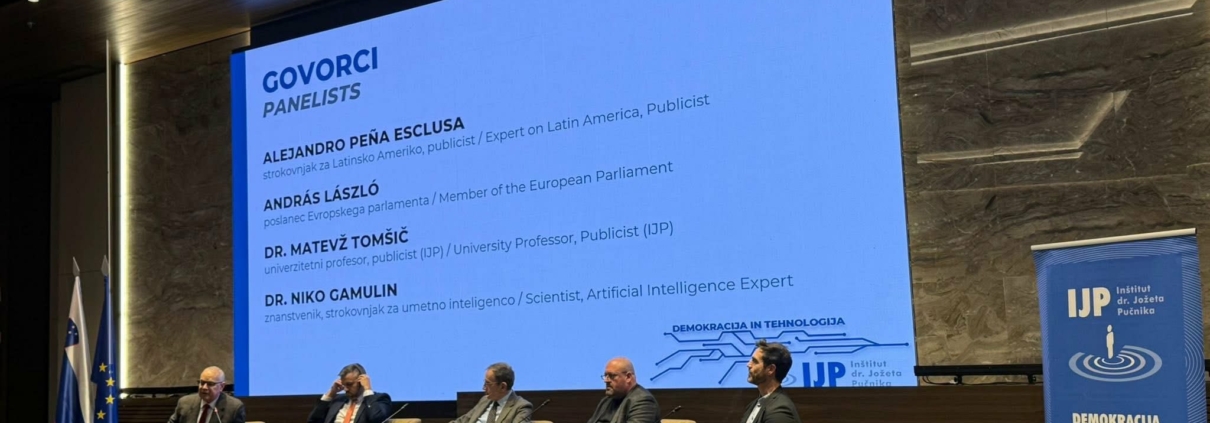
CDI took part in the roundtable discussion “Democracy and Technology” held in Ljubljana on 9 January 2026 at the Grand Plaza Hotel & Congress Center. Organised by the Dr. Jože Pučnik Institute, the event explored how technological innovation is reshaping democratic governance and political participation.

The programme opened with remarks by Janez Janša, former Prime Minister of Slovenia, and featured a panel discussion with Alejandro Peña Esclusa, who addressed the relationship between democracy, authoritarianism, and the political impact of modern technologies.

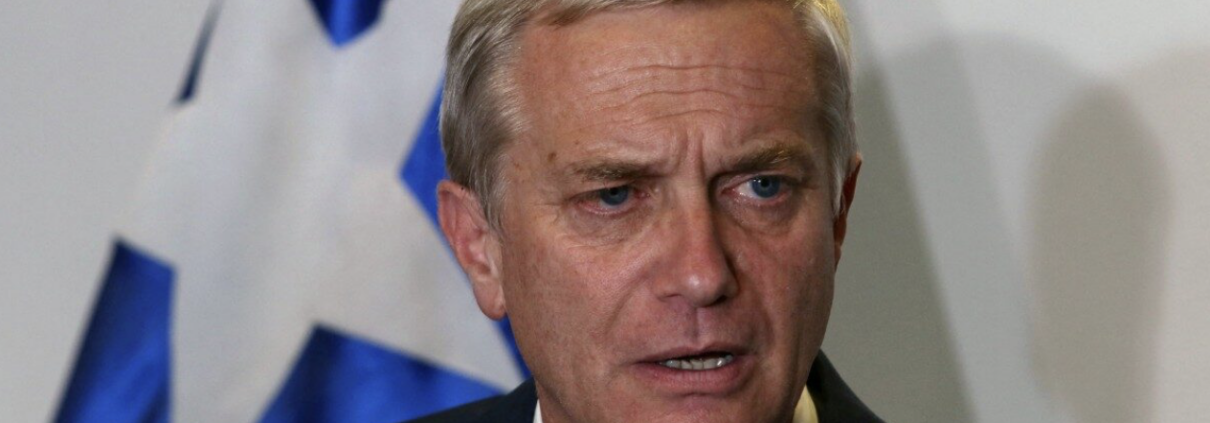
Chile’s President-elect José Antonio Kast GALO PAGUAY / AFP

In a recent interview, Alejandro Peña Esclusa, CDI’s leading expert on Latin America, argues that Chile’s political shift should be understood as part of a broader regional realignment. He links the weakening of left-wing governments in the region to failures of governance and the growing influence of organised crime, and contends that developments in Venezuela will remain central to wider political change in Latin America.

In his view, the central divide is increasingly defined not by traditional left-right labels, but by the defence of freedom, democracy, and the rule of law against authoritarian projects. The full article is available here.

The Embassy of Hungary in Vienna, in collaboration with the Christian Democratic Institute, hosted a special luncheon as part of the series “Bedeutende Frauen der österreichisch-ungarischen Geschichte” (Remarkable Women of Austro-Hungarian History).

Read more